


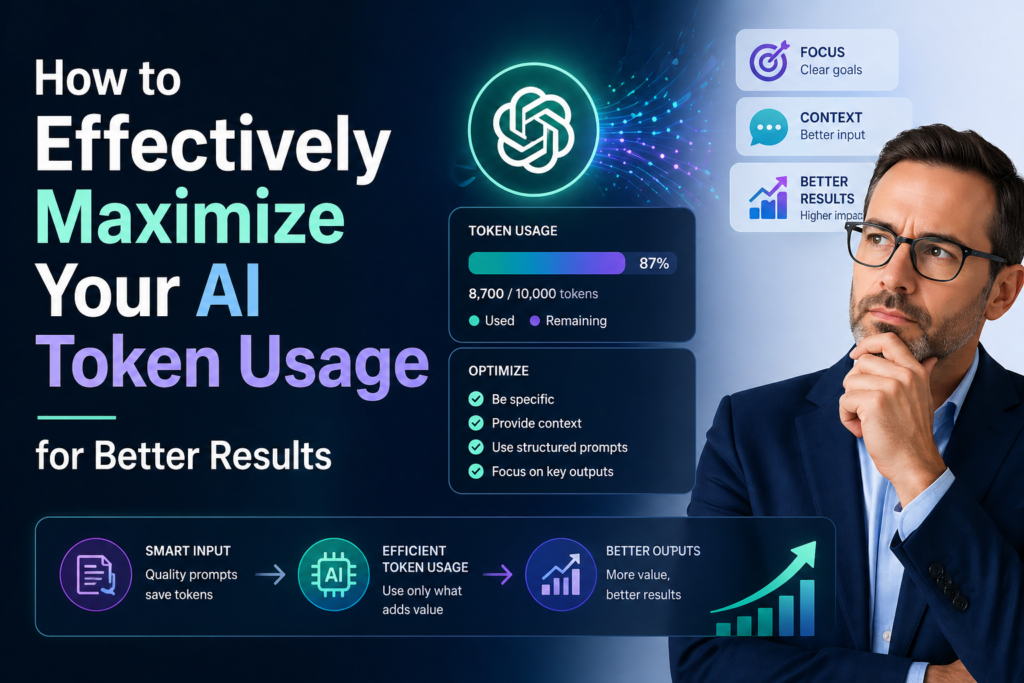
Token usage metrics can be a double-edged sword. On one hand, they encourage engagement with AI tools, but on the other, they tempt users to game the system with inefficient queries just to rack up token counts. From what I’ve seen (and from the frustrating war stories shared by folks on Reddit and other forums), simply asking for longer summaries or pasting large unrelated documents might boost token usage but ultimately wastes resources and invites scrutiny.
A smarter approach is to deepen your interaction rather than stretch it thin. For example, keep a focused thread or chat dedicated to a single topic, as one user did with their Active Directory queries. This not only builds context but naturally expands token usage over time without feeling spammy. Also, expand your requests beyond basic answers: ask for detailed script explanations, multiple test cases or fixes, risk assessments, and rollback plans. This enriches the content and helps the AI provide genuine value while burning tokens more meaningfully.
From an engineering perspective, also keep token-heavy system prompts phrased consistently to leverage prefix caching tools if your platform supports them. This reduces redundant processing while maximizing the useful token budget for actual user queries. Real-world example? A customer support chatbot with a stable, thorough knowledge base upfront leverages prefix caching to cut costs drastically while encouraging complex user interactions downstream.
Ultimately, the key is thoughtful token use anchored in actual need—not just volume—for truly better results.
Introduction to AI Tokens: Understanding Their Role and Importance
If you’ve been handed a quota of AI tokens at work or are simply curious about what they really mean, you’re not alone in scratching your head. AI tokens, in essence, are the currency used to measure how much “AI juice” you’re squeezing out of tools like ChatGPT or other large language models. Every word you feed into or receive from the model costs tokens—think of it like purchasing words instead of minutes on a phone plan.
In many organizations, especially those diving headfirst into AI adoption, token usage has become a proxy metric for AI engagement. But here’s where it gets tricky: counting tokens doesn’t always reflect how effectively someone uses AI. Folks have tried gaming this system—dumping entire file shares or asking for bloated summaries just to inflate their token counts. Spoiler: it rarely ends well and can waste resources.
The real key is maximizing meaningful token use—pushing the AI for richer, deeper insights rather than padding queries. For example, instead of a quick script fix, asking the AI to explain its logic, suggest alternatives, and anticipate potential pitfalls uses tokens in a way that builds your tech savvy and delivers genuine value. I’ve seen admins turn mundane repetitive troubleshooting into ongoing AI-assisted case studies, threading conversations over weeks to avoid starting from scratch every time.
Tokens aren’t just numbers—they represent opportunities to deepen understanding, automate wisely, and make AI a true partner rather than a box to tick. Use them well, and you’ll retire the token-chasing games for good.
What are AI Tokens?
In the simplest terms, AI tokens are the pieces of text that an AI model consumes and generates. Every word, punctuation mark, or snippet you input into an AI tool gets broken down into these tokens, and the same goes for the AI’s output. It’s how AI models like ChatGPT process and understand language internally.
Tokens aren’t always whole words—sometimes a token might be part of a word or even a single character, depending on the language and complexity. Think of tokens like Lego bricks of language: the AI builds responses one brick at a time, which is why you often hear about token limits and usage.
Why should you care? Because when your company tracks AI usage by tokens, what they’re really measuring is how many of these language “bricks” you’re using up. But it’s easy to game this system. Some people pad their queries or flood the AI with massive text dumps just to rack up token counts—in vain if you want meaningful results.
Instead, a better approach is to be intentional about your token use. For instance, one IT pro I know used to start new AI chats for every question. Now, they keep a single thread active on topics like Active Directory, layering questions that build on prior answers. This naturally uses more tokens but also produces richer insights, making the token spend worthwhile. So, AI tokens aren’t just a measure of usage; they’re a currency for value, if you use them thoughtfully.
Why Managing Token Usage Matters for AI Performance and Cost-Efficiency
Token usage might sound like just a dry technical metric, but if you’re working with AI tools regularly—especially in a corporate environment where every token spent shows up on a dashboard—it quickly becomes a game changer. The thing is, AI models charge by tokens processed, so mismanaging them is like leaving money on the table every time you ask a question or run a script.
From a performance standpoint, token efficiency influences how fast and responsive your AI interactions feel. Excessively long prompts with repetitive or unnecessary details slow things down and inflate your bill. On the flip side, overly terse queries might not give the AI enough context, leading to shallow or incorrect answers and more back-and-forth.
One interesting insight comes from seeing how different platforms approach this. Reddit users, for example, emphasize crafting detailed, layered prompts—sometimes by keeping a single chat ongoing to build context gradually—which naturally increases token use but improves output quality. This avoids the trap seen in some “token-bloating” attempts where people simply dump huge files or demand lengthy summaries without real focus, which management quickly spots as token waste.
Consider a real-world case in customer support bots: companies saw token usage plummet after restructuring prompts so that shared instructions and product info form a long, cacheable prefix. This means the AI doesn’t repeatedly process the same background information for every query, cutting needless token use while speeding up response times.
Ultimately, managing token usage isn’t about just pumping numbers up to look busy—it’s about smart, sustainable interaction with the model that balances cost, quality, and efficiency. As with any resource, a bit of planning goes a long way.
Assessing Your Current Token Consumption Patterns
It’s easy to get caught up in token counts when your company fixates on AI usage metrics—especially if leadership sees token consumption as a scorecard for engagement. But blindly burning through tokens doesn’t translate to value, as the original post painfully illustrates with those token-heavy yet pointless queries. Instead, measuring how you *use* tokens is where the real insight lies.
Start by tracking where your tokens go. Are they spent on repetitive, low-value prompts—like copying logs just to search for simple strings—or on thoughtful, layered queries that build real understanding? You’ll often find your most productive AI sessions come not from one-off questions but from ongoing conversations, where context accumulates and the model can “attend” to prior exchanges efficiently.
From the Reddit example, shifting from terse “give me an answer” style prompts to richer, multi-angle requests—like having an AI explain script logic, suggest multiple fixes, and anticipate risks—naturally increases token use without resorting to cheap tricks. That’s the sweet spot: more tokens spent, yes, but on layers of genuine value.
A practical tip? Consolidate related questions in single chat threads to maximize context reuse. For example, a system administrator I know keeps a persistent chat just for Active Directory issues, so every new question builds on previous ones, reducing redundant prompts and making the dialogue flow smoother.
In sum, move beyond token counts as a scoreboard and start auditing *how* and *why* tokens are consumed. That’s where you’ll spot opportunities to maximize AI benefits without gaming the system.
Monitoring and Analyzing Token Usage
Token usage tracking has become the digital version of “boss watching over your shoulder,” especially as companies dive headfirst into AI-powered workflows. While it might feel like a blunt instrument—measuring quantity over quality—there are smarter ways to play the token game without resorting to wasteful queries that clearly scream “attempting to game the system.”
One valuable insight is how maintaining thematic continuity within a single conversation thread can maximize relevant token usage. Instead of launching a new chat every time, stick to one per topic. This lets you build on previous prompts, giving the AI richer context and generating deeper, token-heavy outputs that are genuinely useful. Also, asking for varied solutions or layered explanations—not just one-off answers—naturally stretches the token count but adds real value. For example, instead of “fix this bug,” ask “provide three alternatives for fixing this bug, their pros and cons, and rollback scripts.”
On the tech side, platforms like OpenAI provide automatic prefix caching, which can drastically reduce recomputing tokens on repeated static content such as system prompts or documents, allowing you to focus your tokens where it counts—on new, dynamic queries. Pairing this with semantic caching lets you avoid redundant queries altogether by recognizing repeated intents, not just repeated words. This combo is what smart organizations use behind the scenes to trim costs and optimize token efficiency.
Take a customer support platform I once consulted for: by restructuring their prompts to leverage prefix caching and semantic caching, they cut token-related costs by nearly 70%, all while delivering faster, more consistent responses. So, monitoring isn’t just about counting tokens—it’s about crafting conversations and system design that put every token to work.
Identifying Common Token Wastage Sources
One thing that stands out in token usage with AI tools—especially in corporate settings—is how easy it is to burn through tokens without actually getting useful results. The original post hits the nail on the head: some people end up generating massive summaries for files better suited to a quick search, or dumping entire code repositories and asking the AI to just explain it all at once. These examples highlight a common tendency to treat the AI like a magic box for bulk processing rather than a strategic assistant.
The mistake here is obvious but easy to make: tokens aren’t infinite, and overloading the model with irrelevant or redundant input is the fastest way to waste them. The Reddit community’s take on using detailed prompts and iterative refinement (like requesting multiple fix options for a script instead of a quick patch) is spot-on. It’s a smarter, token-efficient way to squeeze value out of the AI. The idea of keeping a single chat thread open for a topic, as described in the post, is also a neat trick to get cumulative context without reopening the entire conversation every time.
A real-world example: I once worked with a tech team that tried “mass upload and summarize” for each day’s server logs. They ended up paying several thousand dollars monthly in API costs for volumetric processing—only to find 90% of those summaries didn’t actually aid troubleshooting. Shifting to token-aware queries—targeted problem statements and incremental commands—cut costs and got more actionable insights.
Ultimately, spotting token wastage comes down to awareness and intent. Use tokens as a tool for deep, thoughtful interaction rather than superficial volume. Management might count numbers, but your goal is smart usage.
Strategies to Optimize Token Utilization in AI Models
When your company’s dashboard is tracking token usage as a proxy for AI engagement, it’s tempting to ramp up token consumption by throwing wild requests at the model — like processing entire log files or rehashing your own codebase. But that’s a quick way to get flagged for token abuse rather than real productivity. The real art lies in maximizing the value each token delivers without resorting to gimmicks.
One surprisingly effective technique is to build conversational threads that layer context continuously rather than starting fresh every time. For instance, instead of asking a new question about Active Directory each day, keep the same chat alive and deepen the conversation. This recycled context means tokens spent aren’t wasted reiterating your situation, allowing the AI to provide richer, more nuanced answers.
Also, steer clear of minimal bullet-point queries. Instead, ask for multiple alternative solutions, complete with explanations and rollback plans. This not only inflates token use but genuinely elevates the conversation from quick fixes to thoughtful problem-solving—adding real business value.
A Reddit user shared a smart custom instruction set called “AutoExpert,” which instructs the AI to think out loud, question its own logic, and provide detailed reasoning. This approach naturally expands token use but leads to thorough, expert-level outputs without token padding tricks.
In practice, one of our dev teams boosted meaningful token usage by structuring prompts to include fallback strategies and risk warnings per script generated—earning trust and higher AI utilization without wasting tokens on fluff or irrelevant data dumps.
Effective Prompt Engineering Techniques for Maximizing AI Token Usage
If you’re working under the gun of “token usage metrics” but don’t want to game the system with pointless bloated requests, there’s definitely a smarter way to go about it. The key lies in *quality and depth* rather than just quantity. For instance, instead of asking for just a quick fix for a scripting issue, try expanding your prompt to request multiple solutions, detailed explanations of the trade-offs, and potential pitfalls to watch out for. This not only encourages longer, more comprehensive responses but also builds your understanding — a win-win.
One practical habit that helps—inspired by a sysadmin’s clever strategy—is maintaining ongoing chat threads for a specific problem, like Active Directory issues. By building context over weeks and asking follow-ups in the same thread, you maximize the tokens spent on a continuous, evolving discussion instead of many disjointed small requests. Plus, this makes the AI progressively better at tailoring its replies.
On Reddit, users champion “custom instructions” or “AutoExpert” prompts that guide the AI to provide exhaustive, nuanced, and reasoning-based outputs. This is not just fluff; these carefully engineered prompts dynamically engage the model’s attention mechanisms, coaxing out higher-quality and longer responses without being obviously wasteful.
The takeaway? Instead of padding token counts with meaningless queries, invest time in crafting prompts that dig deeper. Ask the AI to “think out loud,” offer alternatives, or analyze root causes. It’s what turns token usage into genuine value, rather than just ticking a box for management.
> For example: An IT team member shared that after they changed their approach to ask for script rollback options and risk assessments, the AI outputs became richer, and their token usage naturally increased — but so did their productivity and confidence in deploying fixes.
Simplifying Inputs Without Losing Key Information
One of the trickiest parts of working with AI tokens—especially when usage is being monitored as a metric—is striking the right balance between brevity and context. Simply dumping large files or long logs into the model might boost token count, but it’s not the same as meaningful engagement and will likely draw managerial suspicion. Instead, think smart compression.
Keep crucial details upfront and trim redundant fluff. For example, if you’re troubleshooting a PowerShell script, don’t just paste the entire script every time. Extract the specific block causing trouble, briefly describe the symptom, and ask targeted questions. This focuses the AI’s “attention” where it counts without wasting tokens on irrelevant parts.
One practical approach I’ve seen work well is reusing a single chat thread dedicated to a specific topic—like Active Directory in the original post. That way, the model retains context, letting you build on previous interactions rather than repeating background info. This continuous context saves tokens over time.
Also, don’t be afraid to ask for multiple solution paths or ask why a particular error might occur. This not only maximizes tokens meaningfully but deepens understanding beyond superficial fixes.
For instance, a colleague once simplified complex SQL query troubleshooting by isolating just the failing subquery and asking the AI to explain the logic and suggest three optimization options. The token usage went up, sure, but every token added value rather than noise.
In sum, aim for focused, layered prompts that build on each other—cutting excess while keeping what really matters. That’s how you get the most out of your AI tokens without raising red flags.
Effectively maximizing your AI token usage is essential for optimizing both performance and cost-efficiency in AI-driven projects. By strategically managing token allocation, refining prompt design, and utilizing advanced techniques such as batching requests and leveraging context effectively, users can significantly enhance the quality and relevance of AI outputs while minimizing unnecessary expenditure. Additionally, staying informed about model updates and best practices ensures continuous improvement in token efficiency. Ultimately, conscious and deliberate token management not only improves results but also empowers users to harness the full potential of AI technologies. Embracing these strategies will lead to more insightful interactions, faster processing times, and better alignment with project goals. As AI continues to evolve, mastering token usage will remain a critical factor in driving meaningful and impactful outcomes across diverse applications.
Further Reading & References
Explore Related Content


