


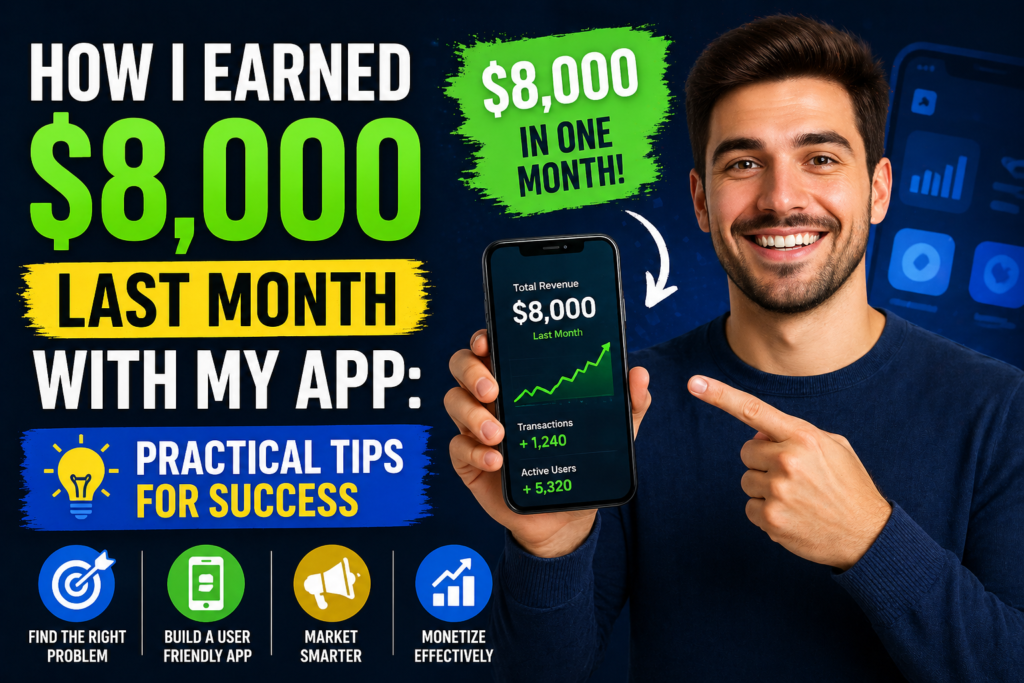
How I Earned $8,000 Last Month with My App: Practical Tips for Success
Building a successful app isn’t about luck — it’s about strategy, persistence, and knowing exactly where to focus your energy. After more than a year working on my focus and deep work tool for remote workers, I finally hit a sweet spot of $8,000 in monthly revenue. Here’s what really made a difference.
First, I stopped relying on the App Store as some magical discovery platform. People just don’t stumble upon apps there—instead, you have to meet users where they hang out. For me, that was online communities for remote workers and productivity forums. Showing up consistently on those platforms helped build trust and word of mouth.
Also, shipping imperfect versions early was a game changer. Waiting for a flawless launch only delays momentum; a rough first version can teach you more than endless polishing ever will. Plus, responding personally to every review in the early days built a loyal user base—even turning a couple of 2-stars into 4-stars over time.
One pricing insight that surprised me? Raising prices actually reduced churn. When everything feels “cheap,” people undervalue it and drop off quickly. Subscriptions, even modest ones, layered up into solid income over time.
Ultimately, building an app isn’t glamorous—it’s a grind of listening, adjusting, and shipping. If you want to succeed, start talking to strangers, ship early, and don’t be afraid to charge what your app is worth. That shift alone brought me from near-zero to $8,000/month.
1. Introduction: My Journey to $8,000 in Monthly App Revenue
Building my app, a focus and deep work tool tailored for remote workers, has been quite the ride. Over a year’s worth of figuring out what clicks (and what crashes), I finally hit a plateau where I’m proud—and more importantly, profitable. Seeing $8,000 flow in monthly feels like validation that this grind of persistence, learning, and iteration was worth every late night.
Here’s the kicker: success didn’t come from waiting for a perfect launch. My first version was embarrassingly rough around the edges, but shipping it was the only way to learn what actually mattered. It’s easy to get paralyzed by endless tweaking—trust me, been there—but real feedback only arrives when real users interact.
One thing I noticed early on is how people discover your app. Hint: it’s rarely from browsing the store itself. Instead, finding where your users hang out—think niche forums or remote work communities—and showing up consistently made all the difference. Also, the tiny stuff like app icons and screenshots actually have outsized influence. I wasted too much time on some fancy features before realizing that none of it mattered if no one clicked “Install”.
A friend of mine built a meditation app and initially priced it low, thinking it’d attract signups. He raised the price later and—surprisingly—retention improved. Lesson: don’t undersell your work.
The road to $8,000 monthly was dusty and uneven, but embracing those uncomfortable early steps and really listening to users made the difference. And honestly? It’s just getting interesting.
How I Earned $8,000 Last Month with My App: A Quick Overview
After more than a year of hammering away, my focus app for remote workers finally hit a milestone I’m genuinely proud of — $8,000 in revenue last month. It wasn’t about luck or some overnight success; it was a grind built on learning what actually moves the needle when you’re an indie developer.
The app started as a simple idea—to help people block distractions and get deep work done. But what made it stick wasn’t just the code or the features; it was understanding where my users live online and meeting them there. Contrary to popular belief, apps rarely get discovered organically just by sitting in the store. You have to chase your audience, whether that’s niche Slack groups, productivity forums, or Twitter threads where focus buffs hang out.
I also realized early versions are going to be rough around the edges. My initial release was ugly and barely feature-complete, but shipping fast was non-negotiable. Being stuck in “perfecting” mode kills momentum. Plus, regular updates not only kept the app fresh but boosted visibility—something I hadn’t anticipated at first.
One indie dev who inspired me shared a similar story: their fitness app was barely functional for months but earned steady returns as they iterated based on user churn feedback. It reinforced that real learning happens when users leave, not just when they sign up.
Why Sharing Your App Journey Matters for Aspiring Developers
There’s a quiet power in talking about the messy, unpolished parts of building an app. When you share your wins and pitfalls, it helps lift the veil for those still stuck in the “idea phase.” It’s easy to get overwhelmed by the myth of overnight success, but hearing from someone who’s actually been in the trenches—where versions are imperfect, marketing feels awkward, and growth is slow—adds much-needed perspective.
For example, the creator behind the focus app shared how their first app version was “embarrassing,” yet shipping it was the critical step. That’s a story many hesitate to tell, but it’s a reminder that perfectionism can be a roadblock rather than a virtue. This kind of honesty encourages others to ship, learn, and improve rather than waiting endlessly for a flawless launch.
Another practical reason sharing works: it creates connections. Indie dev forums, Twitter threads, or casual blog posts become mini-mentorship hubs. Developers exchange tips, like why one platform matters more than spreading thin or how responding to reviews early builds goodwill. These insights are gold because they come from experience, not theory.
A friend of mine recently launched a minimalist budgeting app after following a few honest indie journeys online. Her willingness to share early struggles and keep refining after user feedback made her app’s launch much smoother than my own rocky attempts. So, if you’re on this path, don’t underestimate the value you add simply by sharing what you’ve learned.
2. Identifying a Profitable Niche and Target Audience
Finding the right niche doesn’t happen by accident — it’s a mix of curiosity, research, and a reality check. When I started my focus and deep work app for remote workers, I had a hunch but didn’t fully understand who exactly I was serving. The game changer was actually talking to strangers outside my circle. Friends are too nice; they’ll say your app is great even if it’s rough around the edges. It was those honest conversations that forced me to rethink features and messaging.
Here’s something worth noting: the App Store isn’t a magic discovery engine. People don’t stumble on apps browsing categories randomly. Your users are hanging out in specific forums, social media groups, or even Slack communities — go find them there. For me, engaging daily in remote work and productivity spaces gave me priceless insights that shaped the app’s direction.
Also, niche specificity matters. Instead of trying to please all types of remote workers, I focused on those juggling multiple projects and distractions — the kind of users who desperately need a timer that helps them focus, not just a to-do list. This laser focus allowed me to tailor marketing, pricing, and features, which ultimately boosted retention and revenue.
Think of it like this: rather than shouting to everyone, whisper just enough to the right people — they’ll listen and pay. For example, Basecamp’s early success came from targeting small teams who wanted a simple way to collaborate, not everyone trying to replace giant enterprise tools. This kind of clarity makes a huge difference when you want dollars, not just installs.
The Importance of Market Research
One of the biggest takeaways from my journey building this focus app was how crucial market research really is. I mean, I thought I knew my users—the remote workers battling endless distractions—but it wasn’t until I actually talked to complete strangers that the fog lifted. Friends tend to be supportive, sure, but strangers gave me brutally honest feedback that exposed real pain points I hadn’t considered.
The advice to “talk to 10 people who aren’t your friends” isn’t just a cliché. It’s borderline life-saving. For example, after chatting with a handful of remote professionals on Slack communities (where my users actually hang out), I discovered that many wanted shorter, more flexible focus sessions rather than rigid Pomodoro timers. That feedback directly shaped my first big feature update and saved me from wasting months building something my audience wouldn’t use.
Another angle often overlooked is looking at churn reasons closely—that’s where your product’s blind spots live. I made the mistake early on of guessing why people left instead of asking, which led to a pricing tweak that dramatically improved retention.
Market research sometimes feels like a chore, but it’s really the foundation of knowing where to invest your time and energy — and how to stop guessing and start building what people actually want. It’s that simple, yet so many indie devs overlook it until it’s too late. Don’t be one of them.
Techniques I Used to Find a High-Demand App Idea
Finding a high-demand app idea isn’t about brainstorming in a vacuum or chasing shiny trends. My journey began with simple truth: talk to real people outside your immediate circle. Friends tend to be polite, but strangers? They’ll hit you with brutal honesty, and that feedback is pure gold. I interviewed about 10 remote workers, the kind who struggle with focus during a workday, and their pain points helped me shape the core of my app.
One surprisingly useful insight was how little people actually discover new apps by browsing the App Store. It’s almost a ghost town unless you’re featured. Instead, I dove deep into where my potential users hang out—remote work forums, productivity subreddits, and niche Slack groups. Talking to them not only validated my idea but gave me clarity on what features mattered most.
I also leaned heavily on AI tools like Claude Code to quickly prototype without wasting time or credits on endless iterations. But I learned to balance automation with human insight—the AI helped me build faster, but I had to resist the itch to keep tweaking instead of launching.
As a real-world example, a friend launched a mindfulness app aimed at creatives by first joining a writers’ Discord server and paying attention to the conversations. The demand was obvious there before he spent a dollar on marketing. Focusing on a well-understood, niche audience rather than casting a wide net made all the difference. Find *where* your users live, then build for them.
Developing a User-Friendly and Engaging App
Creating an app that people actually want to use goes way beyond flashy features or endless menus. It’s about simplicity, clarity, and making sure users feel like the app *gets* them. One of the most valuable lessons I learned building my focus tool was that obsessing over perfection early on is a trap. Your first release might look rough, but what matters is shipping and then listening—hard. For example, I incorporated user feedback aggressively after launch, discovering that most churn happened because users didn’t see immediate benefits. So I revamped onboarding to highlight quick wins. The difference? Retention after day 7 went from dismal to decent.
Another underrated truth: your app’s visuals—icon and screenshots—are your first handshake with potential users. People really *do* judge you in three seconds. Investing in a clean, appealing icon and clear screenshots pays off. It’s like window dressing but for apps; no one lingers if the front door feels tacky.
I also found that regular updates create a quiet trust. Even if your patch is tiny—a bug fix or a subtle UX improvement—those frequent touchpoints signal you’re there, constantly making the experience better. Think of it as customer service without the waiting times.
Building an engaging app means focusing on what your users truly need, keeping the experience smooth, and showing you care through thoughtful touches. It’s far from glamorous, but it’s where real growth starts.
Focus on User Experience and Interface Design
When it comes to winning users—and keeping them—nothing beats a seamless user experience supported by thoughtful interface design. I’ve seen so many indie devs pour time into flashy features but overlook how their app *feels* to users. The truth? People don’t just download apps; they judge within seconds if it’s worth sticking around.
From my journey building a deep work tool for remote workers, I learned hiring a designer early or at least investing in polished screenshots and a clean icon makes a world of difference. One key insight: your app is not just a tool, it’s a solution to a problem. If your interface confuses, overwhelms, or looks slapped together, users won’t trust it—even if your tech is solid underneath.
My app’s onboarding took a hit until I simplified it—cutting down steps, using clear language, and adding micro-animations to guide attention. Once users could quickly reach “aha moments,” retention after the first week jumped noticeably. It’s a small tweak but huge impact.
Consider Todoist’s app as an example—a sleek, minimal design that feels intuitive from the get-go. You don’t need to reinvent the wheel; prioritize clarity and flow over bells and whistles. Put your ego aside and watch your app thank you with loyal users.
Tools and Approaches for Efficient App Development
When I started building my focus app for remote workers, efficiency wasn’t just a nice-to-have—it was survival. One standout lesson: the tools you pick don’t matter nearly as much as how well you know your users. That said, the right tools can keep you from banging your head against the wall, letting you spend more time on meaningful fixes instead of wrestling infrastructure.
I leaned heavily on AI-powered app builders like Lovable and Claude Code. The catch? These tools are great for speeding up early development, but you absolutely have to be smart about your prompts and always know when to put the keyboard down and think. Blindly burning credits on endless iterations is a common pitfall I saw firsthand.
Another approach that paid off was focusing on one platform with real dedication. I could have spread myself thin across iOS, Android, and web, but instead, I chose iOS and showed up every single day there. That consistency matters more than flashy multi-platform releases. Plus, shipping small regular updates kept users engaged and the app store algorithms happy.
A real-world example: a friend built a productivity app targeting remote workers but spread thin by launching on every platform simultaneously. The result? Fragmented feedback, inconsistent updates, and slow growth. When she focused solely on iOS, her iteration speed and user retention soared.
So, focus your tooling and platform choices to maximize your developer time—it’s more about working smarter than harder.
Earning $8,000 in a single month with my app was not an overnight success but the result of strategic planning, continuous learning, and dedication. By focusing on creating a user-friendly experience, understanding my target audience, and consistently iterating based on feedback, I was able to build a product that truly resonates. Leveraging effective marketing techniques, optimizing monetization strategies, and staying adaptable to market changes played a crucial role in maximizing revenue. This journey underscores the importance of persistence, data-driven decision-making, and providing real value to users. Whether you are just starting out or seeking to scale your app’s earnings, these practical tips can serve as a roadmap to success. Remember, the key is to stay committed, keep refining your approach, and never lose sight of your users’ needs. With the right mindset and strategies, significant app income is achievable.
Further Reading & References
Explore Related Content
- what are the consequences of permanently deleting production data without a backup?
- is sharing client addresses with chatgpt considered data sharing? insights from our head of sales
- how to effectively maximize your ai token usage for better results


