
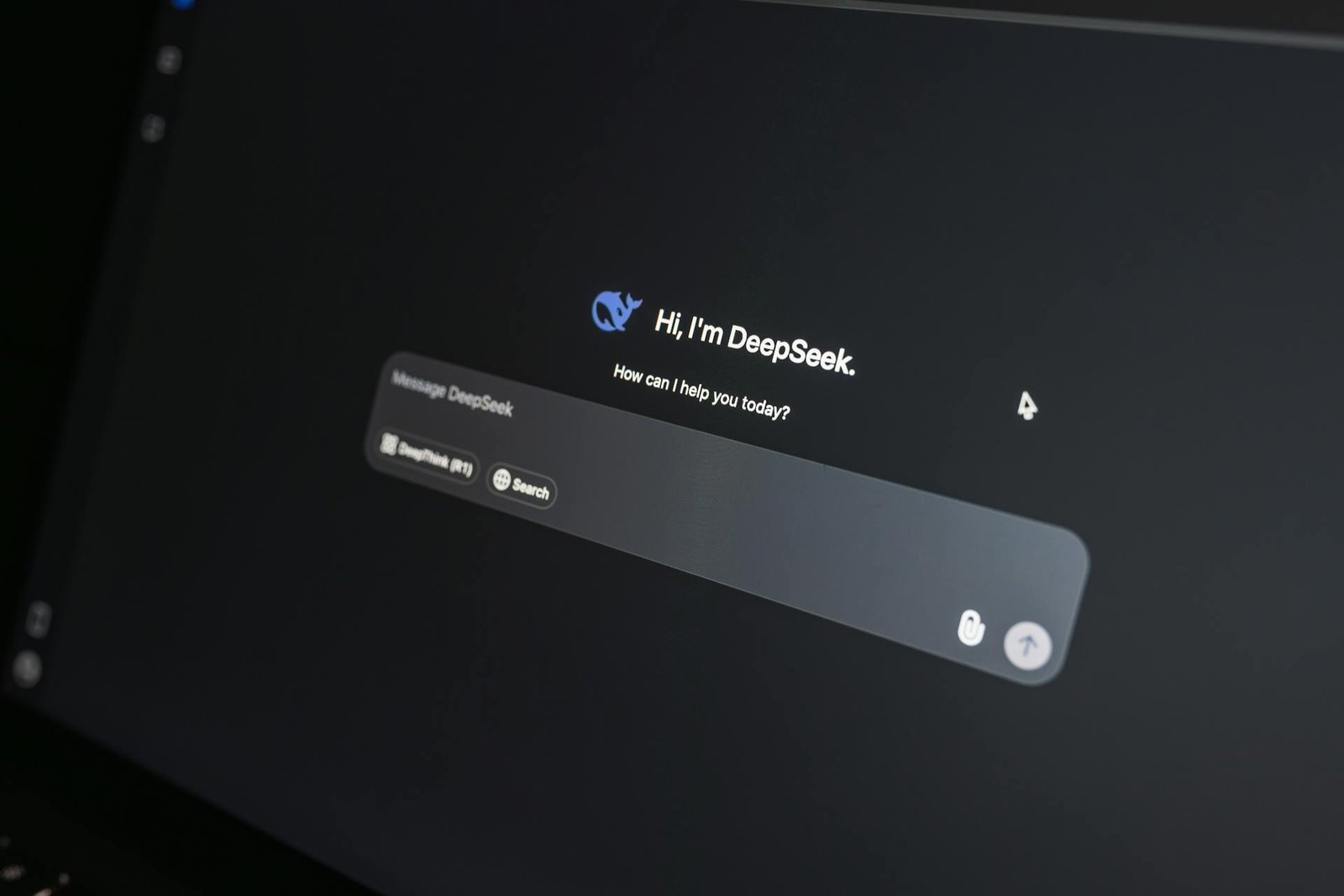
China’s Open-Source DeepSeek-V4 Upsets the AI Pricing Giants
China’s recent unveiling of DeepSeek-V4, an open-source AI model that boasts performance rivaling top-tier proprietary systems like GPT-5.4 and Claude Opus 4.6, is shaking the ground beneath Silicon Valley’s feet. What’s truly unprecedented isn’t just the model’s technical prowess—like handling a context window of up to one million tokens with impressively efficient memory usage—but the fact that its API is 10 to 50 times cheaper than Western counterparts. And yes, the weights are fully open on HuggingFace, inviting programmers worldwide to download, tweak, and deploy without hefty licensing fees or restrictive API usage policies.
From a practical standpoint, this could be a game-changer especially for startups and independent developers who’ve been hemmed in by the cost barriers of leading models. Imagine running 20 times more inference calls for the same price—it’s like getting a luxury car at the price of a compact sedan. Reddit users point out that while DeepSeek-V4 might lag slightly behind absolute frontier AI quality, its cost-effectiveness delivers huge real-world advantages. It’s a classic tradeoff: slightly less cutting-edge but hugely more accessible.
To draw a parallel, it reminds me of how Linux disrupted the server market by offering a free, open-source alternative to pricey Unix systems. That shift forced established players to rethink pricing and openness. Will this spark a similar shift in AI? Silicon Valley companies have poured billions to lock users into subscriptions; China’s open approach is a provocative nudge toward democratization—whether the West responds with innovation or protective turf-guarding remains to be seen.
Introduction: China’s Open-Source AI Release and Its Market Shockwaves
China’s recent unveiling of the DeepSeek-V4 AI model is more than just another tech release—it’s a potential seismic event for the global AI landscape. What makes this development genuinely disruptive is the blend of open-source accessibility and breakthrough capabilities rolled into one package. DeepSeek-V4 competes toe-to-toe with top-tier commercial models like GPT-5.4 and Claude Opus 4.6, especially in challenging domains like programming, mathematics, and logical reasoning, which typically require heavy computational muscles.
Perhaps the most jaw-dropping feature is its context window—up to one million tokens. To put that in perspective, even most state-of-the-art AI models today work with windows that are an order of magnitude smaller. This means DeepSeek can handle ultra-long documents or conversations without losing track—a game-changer for developers working on complex applications such as legal document analysis or massive codebases.
What’s equally captivating is the pricing disruption: APIs are reportedly 10 to 50 times cheaper than comparable Western offerings, falling well within reach of indie developers and startups who have long grappled with high costs and restrictive licensing. And because the underlying weights are openly available on HuggingFace, the community can tweak and experiment freely—a stark contrast to Silicon Valley’s guarded, subscription-based models.
As a real-world parallel, consider how Tesla’s open patents once made waves by encouraging EV innovation. Similarly, DeepSeek’s openness could catalyze a shift toward more collaborative, flexible AI ecosystems, reallocating power from monolithic corporations toward a broader developer base. This could trigger a rethink in how AI services are priced, deployed, and scaled globally, especially in a market hungry for innovation but skeptical of cost barriers.
Brief Background on China’s AI Advancements
China’s AI landscape has been evolving rapidly in recent years, but the recent open-sourcing of the DeepSeek-V4 model marks a significant leap. Unlike American tech giants, which have heavily guarded their most advanced AI models behind pricey subscriptions and restrictive APIs, China is flipping the script by releasing a highly competitive model for free. DeepSeek-V4, and especially its V4-Pro version, not only matches but reportedly outperforms leading closed-source models like GPT-5.4 in areas like programming, logic, and math, while offering an unprecedented context window of up to one million tokens.
What really shakes things up is the pricing strategy: DeepSeek’s API costs just a fraction—10 to 50 times less—than its Western competitors. This cutthroat pricing isn’t just theory; early independent developers have reported substantial cost savings and speed improvements running AI agents on DeepSeek’s platform. And because the weights are open to download and modification on HuggingFace, it invites a whole new wave of customization and innovation, especially from a global developer base tired of vendor lock-in.
Consider this: While Western companies continue to treat their AI tech like luxury brands with gated access, China’s open-source approach signals a shift toward democratizing AI development. It’s reminiscent of how Linux shook up enterprise operating systems by being free and community-driven—only this time, the stakes are arguably even higher, with AI poised to shape the future of tech innovation.
Why Open-Source AI from China is a Game Changer
The launch of DeepSeek-V4, an openly accessible AI model from China, is shaking up the global AI landscape in a way few expected. While it may not yet top the very latest closed-source giants like GPT-5.4, its performance in programming, math, and logic is jaw-droppingly close—and that’s just the start. The massive 1 million token context window isn’t just a tech spec; it means the model can handle far longer and more complex inputs out of the box, a boon for developers tackling real-world problems.
What really turns heads, however, is the price—10 to 50 times cheaper API access compared to Silicon Valley incumbents can’t be ignored. For independent developers and smaller startups squeezed by subscription costs, this blows open the doors to experimentation and innovation. It’s a classic David vs. Goliath moment: the Chinese open model is lighter, faster, and freely modifiable, undercutting the closed, expensive models that usually dominate headlines.
Redditors and the wider dev community have picked up on this pricing disruption, noting that while peak accuracy might still be marginally behind, the ability to run many more iterations for the same budget offers a practical advantage that’s hard to overlook. It’s like Chevy dropping a sports car that can outpace Lamborghinis, but you only pay a fraction of the price.
This move also lays bare the broader implications for AI monopolies. When a powerhouse country releases cutting-edge tech open and free, it challenges the prevailing subscription lock-ins and may usher in a rejuvenated era of open AI ecosystems. Silicon Valley’s dominance is no longer a given—it’s a wake-up call for the global market.
Purpose and Scope of This Post
The recent release of DeepSeek-V4 by Chinese developers isn’t just another entry in the growing pool of AI models; it’s a bold statement that challenges the dominance of pricey, closed-source giants like GPT-5.4 and Claude Opus 4.6. What makes this so captivating isn’t just the model’s impressive performance—it’s how it blows open the pricing game altogether. With DeepSeek-V4 offering API access at a fraction of the usual cost and a context window that pushes boundaries up to a million tokens, it’s a dream for indie developers and startups who’ve felt priced out or boxed in by subscription models.
This post dives into how this disrupts Silicon Valley’s long-standing model of locking users into expensive, proprietary AI tools, and what it means for the global market. We’ll also explore why open-source accessibility might be the real game-changer here—not just for innovation, but for democratizing AI development. While models like DeepSeek may not yet outpace every top-tier competitor in all areas, their cost-efficiency and openness could fundamentally shift who gets to build and benefit from AI technology.
To ground this, consider the smartphone wars: when Apple launched the iPhone, it reset expectations not just on quality, but on ecosystem openness and cost efficiency, driving massive disruption. DeepSeek-V4 represents a similar pivot in the AI world—one worth watching closely.
Understanding Open-Source AI: Definition and Importance
Open-source AI is more than just fancy jargon tossed around in tech circles—it’s a game-changer in how AI technology evolves and spreads. Unlike proprietary models hidden behind paywalls and restrictive licenses, open-source AI means that the code, and crucially the trained model weights, are freely available for anyone to download, modify, and build upon. This democratizes AI development and breaks down barriers that traditionally favored well-funded corporate giants.
Take China’s recent release of the DeepSeek-V4 model. By making a top-tier AI available on HuggingFace with performance competing against names like GPT-5.4, they’ve flipped expectations on their head. This isn’t just academic: independent developers worldwide can now access powerful tech without the huge bills or subscription models that Silicon Valley companies often use to lock users in. It’s like Chevy suddenly offering a Corvette that outperforms Lamborghinis, but at a fraction of the cost and with full transparency under the hood.
Beyond cost, open source encourages collaboration and innovation at an accelerated pace. Developers spot bugs, improve efficiency, or adapt the tech for niche applications far faster than any closed ecosystem allows. There’s a catch, sure—open-source tools can sometimes lack polished user experiences and require more savvy to deploy effectively. But for many, the trade-off is worth it, especially when you can run your AI workloads at 10x or 50x cheaper. This shift signals a bigger picture: the AI future might not belong to the richest companies but to the most open communities.
What Exactly Is Open-Source AI Technology?
Open-source AI is a refreshing break from the usual locked-down, subscription-heavy models dominating Silicon Valley. At its core, open-source AI means that the architecture, weights, and code behind the AI models are freely available for anyone to download, modify, and deploy. This transparency not only lowers barriers to entry but sparks creativity and innovation in ways closed systems simply can’t match.
Take China’s DeepSeek-V4, for example. Released fully open-source and backed by a staggering one-million-token context window, this model is shaking things up not just because of its technical might but because it’s free and ridiculously cheap to run. That’s a double whammy for independent developers and startups who often get strangled by the hefty fees associated with closed AI platforms like GPT-5.4 or Claude Opus 4.6.
The real power here is that a vibrant open ecosystem encourages collaboration. Developers can fine-tune models to niche needs, build entirely new applications, or improve efficiency without waiting for corporate gatekeepers to offer access or impose limits. It’s like swapping a flashy, expensive sports car that only a few can drive for an everyday vehicle everyone can customize and repair.
In practice, this fosters diversity in AI uses across different industries and geographies, especially benefiting those with limited resources. Just as Linux transformed computing with its openness, open-source AI might redefine the AI economy—democratizing access and shifting the game from subscription wars to innovation races.
Benefits for Developers, Businesses, and Innovation
China’s release of the DeepSeek-V4 model, fully open-source and exceptionally low-cost, shakes up the global AI landscape. For developers, particularly independents and startups, this is a game changer. The ability to run a model with a million-token context window at pennies compared to GPT-5.4 or Claude Opus means experimenting and iterating at a scale and speed previously unaffordable. No longer do small teams need to depend on expensive API calls or enroll in restrictive subscription plans. Instead, they hold a powerful, modifiable tool in their hands, ready to be tailored, optimized, and integrated.
Businesses stand to benefit significantly too. Beyond slashing AI operational costs, companies can foster innovation without fear of vendor lock-in. This democratization democratizes not just access, but the entire AI development ecosystem, potentially accelerating breakthroughs in natural language understanding, coding assistance, and more. Imagine a mid-sized fintech startup implementing high-quality AI-driven fraud detection cheaply while large incumbents remain tied to proprietary models and their price hikes.
Innovation thrives when barriers fall. The open-source move invites global collaboration, sparks creative uses, and fuels competition that pushes the entire industry forward. Historically, open ecosystems have propelled rapid advancement—Linux transforming servers and mobile OS wars sparked by Android—and AI looks poised for a similar leap. The takeaway? This isn’t just about cheaper AI; it’s about unleashing creativity and leveling the playing field worldwide.
Role in Fostering Collaboration and Transparency
China’s bold move to release DeepSeek-V4 as an open-source AI model is a fascinating shake-up, especially considering the tightly guarded nature of most cutting-edge AI tech coming out of Silicon Valley. By putting a high-performance, lightweight model with an insanely large context window out there—for free and fully open-source—China is essentially inviting the global developer community to tinker, improve, and build upon it without the usual subscription fees and licensing hurdles.
This openness does more than just democratize access; it fosters real collaboration and greater transparency. When model weights and architecture details are publicly available on platforms like HuggingFace, anyone from independent devs to research institutions can analyze, verify, and adapt the model. That kind of ecosystem can accelerate innovation far beyond what siloed closed models allow.
Just look at the open-source software world: projects like Linux or TensorFlow thrive because the community can spot bugs, propose improvements, and build diverse use cases. DeepSeek-V4 could spark a similar dynamic in AI, balancing the expensive, proprietary giants with nimble, community-driven progress.
On Reddit, many developers highlight the affordability factor as a game-changer—being able to run models 20 times more for the same cost opens doors for startups and hobbyists alike. This contrasts with the cautious, controlled environments favored by most U.S. tech companies, which often restrict usage to maximize profit.
In a way, China’s approach reminds me of the early days of Android—open enough to drive mass innovation yet strong enough to challenge entrenched players. Whether this leads to a new paradigm for AI openness or just a niche alternative remains to be seen, but the impact on market pricing and development culture is already undeniable.
3. Key Features of China’s Open-Source AI Technology
China’s DeepSeek-V4 model is shaking up the AI landscape in ways that go beyond just being “free.” What’s really striking is its blend of power, capacity, and accessibility—all packed into an open-source package. While Silicon Valley’s giants bank on charging hefty fees for their closed models, China is offering a beast that rivals top-tier AI like GPT-5.4—but without the price tag. The model’s ability to handle an unprecedented 1 million token context window is no joke; it means it can process complex, extended conversations or large data sets without losing track—something even established AIs struggle with.
From a developer’s standpoint, the real game changer is the API pricing. Imagine being able to run AI agents 10 to 50 times cheaper—practically unlocking experimentation and innovation for independent coders and startups who simply couldn’t afford the biggies. The model’s lightweight efficiency also lets it run with less resource drain, which is a big deal in cloud computing budgets.
The availability of the model weights on HuggingFace makes it truly hackable. This open-source spirit contrasts starkly with the locked-down, subscription-heavy offerings dominating the West. It kind of reminds me of when Tesla opened up their patents to accelerate EV technology worldwide—except here it’s with AI. This could spur a wave of creative applications from regions and communities previously sidelined due to costs. In the grand scheme, DeepSeek-V4 isn’t just a new model; it’s a statement that open ecosystems can still pull ahead in the AI race.
China’s release of open-source AI technology marks a pivotal shift in the global artificial intelligence landscape, fundamentally disrupting established market pricing trends. By making advanced AI models and tools freely accessible, China accelerates innovation and lowers the barriers to entry for businesses and developers worldwide. This democratization of AI technology challenges traditional proprietary frameworks dominated by Western firms, prompting a reevaluation of value propositions and competitive strategies across the industry. Moreover, the increased availability of high-quality open-source AI fosters greater collaboration and diversity in AI applications, catalyzing new opportunities for growth and development. As market dynamics evolve in response, stakeholders must adapt to a more inclusive, cost-efficient environment where innovation is the key currency. Ultimately, China’s strategic move reshapes the competitive landscape, encouraging a more open, balanced, and dynamic global AI ecosystem that benefits economies, enterprises, and end-users alike.
1 thought on “How China’s Release of Open-Source AI Tech Might Disrupt Global AI Market Pricing Trends”
Comments are closed.