
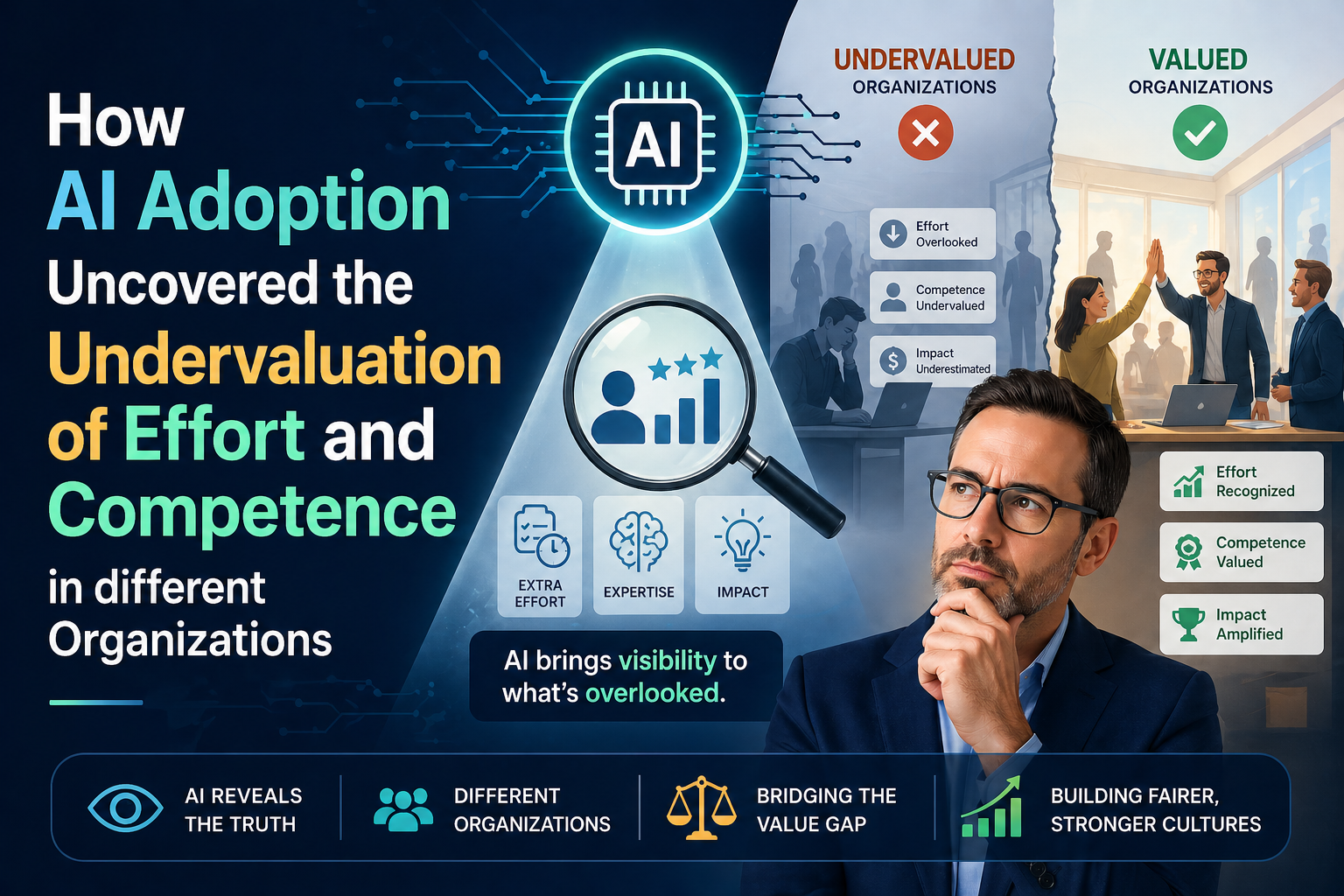
Rolling out AI tools like Copilot across our company sounded like a win: boost productivity, empower everyone to work smarter. Instead, it unveiled a blunt reality—an alarming undervaluation of genuine effort and competence. Day after day, emails, ticket responses, and internal documentation have become a slurry of barely filtered AI-generated text. The management’s open encouragement to just “use AI for everything” ended up rewarding speed over substance.
Here’s the kicker: nobody seems to care that some folks spend 2 seconds prompting AI for a generic reply, while others painstakingly research, verify, add screenshots, and carefully craft responses. Because the metrics and incentives reward volume and speed, those who actually slow down to maintain quality appear “less agile.” This creates a vicious circle where the minimal-effort AI-driven answers become the norm, turning thoughtful work into background noise.
In talking with peers across industries, this battle isn’t unique—it’s popping up everywhere AI is introduced without proper guidance and leadership. One friend at a tech startup shared how their product queries used to be detailed and meaningful, but post-AI rollout, the support tickets morphed into copy-paste quick fixes. It took leadership stepping in to define clear quality standards and balance AI usage with accountability before things improved.
Ultimately, AI amplifies existing cultural issues. Without leaders valuing true craftsmanship and setting expectations, the ease of AI encourages people to do just enough to skate by—and sadly, that often wins.
Introduction: The Transformative Role of AI in Modern Organizations
When AI tools like Copilot flood an organization, you’d expect productivity to soar and quality to improve, right? Well, not always. In my experience—and echoed by others in the industry—the initial excitement quickly morphs into a strange paradox. Everyone’s output starts looking like a half-baked, AI-generated jumble that no one bothers to vet or refine. Suddenly, the clear line between genuine effort and cut-and-paste shortcuts vanishes.
What surprised me most wasn’t the drop in quality but the lack of concern about it. Leadership champions AI usage as a measure of agility, rewarding those who lean heavily on it, regardless of the mess they produce. Meanwhile, those who invest time to deliver well-crafted, thoughtful responses get overlooked or labeled as “slow.” It’s a classic case of misaligned incentives.
This disconnect has exposed a hard truth: in many workplaces, effort and competence are undervalued, perhaps because the culture prioritizes speed and appearance over substance. It’s incredibly frustrating, especially if you care about your craft. For example, I recall a colleague who meticulously documented a complex bug with screenshots and detailed notes, only to have their work buried beneath dozens of rapid, AI-driven “solutions” that often missed the point entirely.
Clearly, the root isn’t the AI itself but how leadership frames and manages these tools. Without thoughtful implementation and standards, AI can unintentionally devalue human expertise instead of enhancing it.
Overview of AI Adoption Trends
Rolling out AI tools like Copilot with broad enthusiasm has become a double-edged sword in many organizations—a phenomenon I’ve seen firsthand and heard echoed across industries. The promise of AI was to boost productivity and creativity, but what ended up happening in some places is a sort of “lowest common denominator” effect. Instead of adding value, employees lean heavily on AI-generated content that’s often riddled with errors or too vague because the prompts lack necessary detail. This leads to a flood of unvetted, superficial work that few bother to refine.
The crux isn’t about AI itself; it’s about how organizations treat the output—and the effort behind it. When management rewards speed and “AI usage” stats rather than quality or thoughtfulness, you inadvertently punish those who take time to craft well-researched, meaningful responses. It’s a classic case of incentivizing the wrong behavior.
One real-world example comes from a mid-size tech company I’m familiar with, where Copilot was rolled out widely. Initially, it felt revolutionary, but after a few months, customer support tickets filled with AI-drafted replies—often missing critical context—led to longer resolution times and frustrated clients. The team’s skilled agents who spent extra time digging deep felt invisible; meanwhile, those quick to submit AI-generated drafts appeared more “efficient” on paper.
This all underscores a deeper issue—leadership must rethink how they measure performance and adjust workflows to respect competence and proper use of AI. Otherwise, it’s just a race to the bottom disguised as technological progress.
Exploring the True Value of Effort and Competence Amid AI Overuse
The moment AI tools like Copilot become part of everyone’s daily grind, it flips assumptions about effort and skill on their heads. In my experience, the promise of AI often clashes with how organizations actually value work. Sure, AI can turbocharge productivity, but what happens when “output” starts to mean a few lazy prompts and a quick copy-paste? Suddenly, the difference between a thoughtfully researched reply with screenshots and a generic AI-generated dump blurs — and worse, that difference doesn’t seem to matter to leadership.
This isn’t just about laziness; it’s about incentives and recognition—or the lack thereof. If management applauds speed and AI “efficiency” metrics, people naturally choose the path of least resistance. What I find depressing is how this undervalues craftsmanship and competence, rewarding superficial speed over genuine understanding. It’s a morale sucker, especially for those who care deeply about quality.
A real-world example I saw recently was with a customer support team at a mid-size tech company. After rolling out AI-assisted ticket responses, the volume surged, but customer satisfaction tanked. The leadership didn’t distinguish minimal-effort answers from nuanced ones, and the team’s best agents felt invisible, burned out by the noise.
Bottom line? Without clear leadership celebrating genuine effort, AI risks perpetuating the “illusion of work,” making honest competence invisible. And that’s a culture problem, not a tech one.
Understanding Effort and Competence in the Workplace
Rolling out AI tools like Copilot with a big green light from leadership seemed like a no-brainer, but it quickly revealed an uncomfortable truth: not everyone values effort or competence equally. Once everyone had easy access to AI assistance, the quality of work—emails, tickets, summaries—dipped sharply. What’s ironic (and frustrating) is that these AI-generated responses often lacked basic details or accuracy, yet passed as “good enough.” The problem? The system rewards speed and volume over thoughtfulness.
It’s a tricky spot because if no one’s holding the bar, why bother spending extra time crafting thoroughly researched replies? This isn’t laziness—it’s survival in an environment where “fast” looks better than “well-done.” Managers chasing AI usage metrics inadvertently penalize careful workers. It’s like valuing a crap sandwich made in two seconds over a carefully prepared meal that takes time but nourishes better.
I’ve seen this firsthand at a mid-sized tech firm where support engineers started to lean heavily on quick AI-generated responses. Within months, ticket resolutions became less reliable, frustrating customers and increasing rework. The engineers who tried to maintain standards found themselves labeled as slower, less adaptable.
At its root, this is a leadership and culture problem. Without clear expectations around quality and a system that recognizes genuine effort, AI becomes a shortcut that masks deeper issues in valuing competence. We need to rethink how we assess work in this new AI-augmented world before effort becomes the undervalued currency.
Defining Effort and Competence in the AI-Driven Workplace
Adopting AI tools like Copilot at scale has peeled back a surprising layer in many organizations: the blurry line between real effort and just looking busy. When management encourages everyone to lean heavily on AI, what you often get is a flood of half-baked outputs — emails, summaries, troubleshooting notes — that nobody actually reviews thoroughly. The real kicker? No one seems to care. The difference between a thoughtfully researched, detailed response and a quick, copy-pasted AI answer gets completely lost.
This isn’t just a case of laziness; it’s a systemic failure to value competence properly. When the “fastest” or “most agile” employee is really just the one who dumps AI-generated text with minimal oversight, the genuine craftsmanship of slower, more diligent folks gets trampled. And sadly, managers often can’t tell the difference, because the metrics measure AI usage, not quality of output.
It’s reminiscent of a software team I worked with a few years ago. We introduced automated code suggestions to speed up development, but soon noticed junior devs blindly accepting suggestions, leading to buggy releases. The experienced folks pushing back and carefully reviewing ended up burnt out, their efforts undervalued because “hey, we got work done faster.” This disconnect between speed and care ultimately hurt product quality and morale.
Ultimately, defining and recognizing effort and competence in an AI-equipped workplace demands smarter leadership and more nuanced evaluation metrics. Until that happens, the blurry “appearance of effort” will keep overshadowing real skill.
Traditional Methods of Measuring Employee Contribution
When AI tools like Copilot entered our organization, it quickly became clear just how fragile traditional metrics of employee contribution really are. Before, effort was mostly gauged through visible outputs—emails sent, tickets closed, documents produced—and those proxies, flawed as they were, at least reflected some baseline of work. But with AI speeding up content production, it’s exposed a harsh truth: a lot of what’s measured is the mere appearance of effort, not its quality or intellectual rigor.
I’ve seen it firsthand—two seemingly identical emails, one a thoughtful, carefully researched summary with screenshots, the other a half-baked AI-generated reply pasted in without any fact-checking. Yet management can’t tell the difference, judging only by speed or volume. It turns the whole system into a weird paradox where pushing a button faster trumps genuine competence or thoroughness.
This isn’t just some isolated incident. In one company I consulted for, when they rolled out an AI assistant, the slack in quality became evident quickly. Employees learned that quick, generic AI-generated answers “checked the box” more efficiently than putting in thoughtful work. The leadership initially celebrated the AI “boost,” only to realize months later they were drowning in complaints and costly errors from unchecked AI outputs. They had to retrain managers to look beyond surface-level metrics and value real craftsmanship again.
The real lesson? We need smarter evaluation methods that account for quality, not just quantity—or risk rewarding laziness disguised as productivity in this new AI-powered era.
3. The Catalyst: AI Implementation in Our Organizational Processes
Rolling out Copilot across the organization was supposed to be a productivity booster — and in some ways, it has been. But what it also exposed is a harsh truth: most people don’t deeply value the effort or competence behind their work, especially when AI makes it so easy to cut corners.
Suddenly, emails, summaries, and even critical trouble tickets became a blur of quick AI dumps, often riddled with errors and missing vital context. It’s like we traded thoughtful craftsmanship for speed, encouraged from the top down to lean heavily on AI-generated content without adding much personal input. The result? Those who painstakingly research, format, and validate their work now look “slow” or “inefficient” by comparison. Their dedication is invisible to managers fixated on surface-level “AI usage” metrics.
This reminds me of a friend who works in IT support. After AI tools were introduced, he noticed most colleagues leaned on quick AI-generated responses for tickets. He still took the time to dig into issues and document thoroughly, but ironically, his ticket resolution stats looked worse. Management lauded those “faster” at AI-assisted replies, even if they often led to follow-up clarifications.
At its core, this isn’t just about AI—it’s a leadership problem. Without guiding principles on using AI responsibly, the tool becomes a crutch that devalues expertise. The takeaway? Implementing AI isn’t just about technology—it requires rethinking how we recognize true effort and competence in a rapidly evolving workplace.
Description of AI Tools and Systems Adopted
Our organization took a leap and rolled out broad access to Copilot, with strong encouragement from leadership to embed it into daily workflows. The idea was solid: boost productivity by leaning on AI for routine tasks like writing emails, summarizing meeting notes, or drafting trouble tickets. But what unfolded was less than inspiring. Instead of elevating work quality, the tools ended up fostering a culture of “good enough” — a flood of unvetted, sometimes downright sloppy outputs with glaring errors or half-baked prompts. It’s like everyone was racing to the lowest common denominator of effort.
This shift felt like a quiet reckoning. Suddenly, the distinction between a quick copy-paste AI answer and a carefully researched, thoughtfully written response got blurred. Worse, no one seemed to care. That lack of recognition for genuine effort made those of us who take pride in our work feel stuck between a rock and a hard place: either abandon care or risk being labeled “slow” by managers who only measure volume and AI usage metrics.
I’ve seen this happen firsthand in a mid-size tech firm I consulted for recently. After implementing AI writing tools company-wide, the customer support team’s ticket quality nosedived despite increased throughput. Management counted on AI to speed things up but missed how it devalued the deep understanding required for complex issues. It’s a clear example that AI adoption without thoughtful leadership can unintentionally reward minimal effort rather than true competence.
Ultimately, the tools themselves aren’t to blame. It’s the way organizations implement and value the output — or don’t — that reveals what really matters.
Initial Expectations vs. Actual Outcomes: When AI Adoption Exposes Hidden Truths
Rolling out Copilot across our organization came with big hopes: more efficiency, smarter workflows, and a boost for everyone’s productivity. Instead, months in, the reality is a bit of a gut punch. Rather than thoughtful enhancements, we’ve ended up with a flood of half-baked, error-riddled replies and reports—often so poorly crafted you can tell the prompts weren’t even close to thorough. And here’s the kicker: nobody seems to mind. The leadership’s enthusiastic push for heavy AI use has inadvertently rewarded the bare minimum effort, making meticulous, carefully-researched responses look like unnecessary slowdowns.
There’s a clear disconnect. Effort and craftsmanship aren’t valued; speed and volume are. This has created a culture where copy-pasting quick AI answers is not just the path of least resistance but apparently the expected standard. It’s demoralizing to stick to quality when the metrics favor shortcuts and the people who care get painted as “slow” or “unagile.”
I’m reminded of a friend’s experience at a tech startup that jumped on GPT integration. Engineers who truly dug into problems with detailed reasoning were often overshadowed by those churning out AI-assisted answers without validation. The overall quality declined, and frustration mounted—until leadership finally recognized the problem and adjusted expectations around AI use, balancing speed with accountability.
Here’s the ugly truth: without clear guidance and management that values depth over speed, AI simply reveals how undervalued real effort and competence have always been.
The adoption of AI in our organization has served as a powerful catalyst, revealing the deep-seated undervaluation of employee effort and competence that previously went unnoticed. By automating routine tasks and providing objective data-driven insights, AI has highlighted the true extent of human contribution and expertise required to achieve our goals. This newfound transparency challenges traditional performance metrics and urges us to reconsider how we recognize and reward our workforce. Moving forward, embracing AI should not only be about efficiency gains but also about fostering a culture that genuinely appreciates the skills, dedication, and innovation of our people. Only by aligning technological advancements with equitable acknowledgment can we build a more motivated, empowered, and high-performing organization prepared to thrive in an increasingly digital future. The lessons learned from AI’s implementation underscore the necessity of reexamining organizational values to fully harness human and technological potential alike.